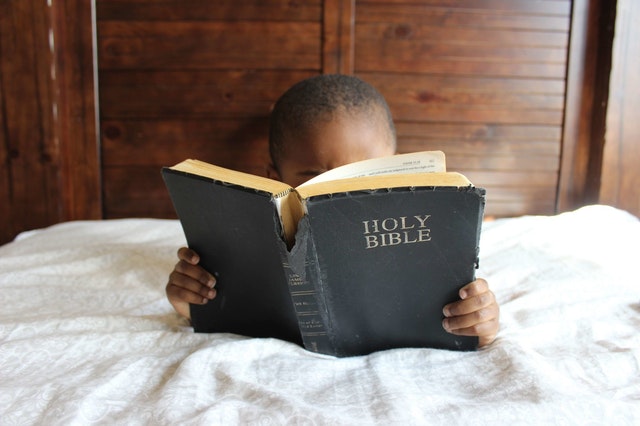
Posted in Christian Living

Prayer: the Workhorse of Hard Faith

Why do we pray? Because God listens. Because He is Sovereign over every life, whether we choose to submit to His authority or not. Because He is holy, most holy, and the one, true God. Because He is worthy of our praises, often and always. Because only God saves, allowing we who are stained with sin to be washed clean by the blood of His Son. Because prayer, along with study of His Word, shows us the way, even among the murky waters of daily living. Because the act of genuine prayer draws us ever closer to God.

The Bible is replete with examples of ways to pray, examples we can study as guides for our own prayers. Jesus tells us to pray like this:

Our Father who art in heaven, hallowed be Thy name,
(we honor God as the Supreme Being of the Universe)

Thy kingdom come, Thy will be done on earth as it is in heaven.
(we acknowledge God’s Sovereignty over heaven and earth)

Give us this day our daily bread,
(we take each day as it comes and trust in God to provide as we need, without worrying about future days’ troubles we don’t even have yet)

and forgive us our trespasses as we forgive those who trespass against us.
(we offer our true repentance for our unforgiven sins and remind ourselves to forgive others just like we hope to be forgiven)

Lead us not into temptation,
(we show God our desire to walk along the narrow way that leads to true, Christian living and our need to submit our will to the will of God, our Sovereign)

and deliver us from the evil one.
(God is our protection from not just evil in general but also from the very real designs the devil has on us to distract us from our walk with God)

For thine is the kingdom and the power and the glory, forever.
(Again, we praise God for all the ways He blesses us and continue to acknowledge His sovereignty over all)

In the name of the Father, Son and Holy Ghost, Amen.
(we acknowledge the ways the God-head supports us as we seek the path of righteousness: God, our God, our Father God, Jesus, our Savior King who lived as human and died for all of us sinners who acknowledge His Lordship, the Holy Spirit of God that dwells inside of and guides all those who accept Jesus as Lord and King)

Prayer is a muscle, and like any other muscle, it requires regular exercise or else it will atrophy. Just like an unexercised muscle becomes flabby, even useless, the less we pray, the weaker our walk of faith becomes. Please don’t be that person who waits to pray only when things get bad or scary. Yes, God listens when we speak to Him, but how will you learn to be patient, trusting in God for answers, even when the answer is no, if your prayer is rare and fear-driven?

Just like you might begin an exercise plan with a walk to the end of your street and back each day, your early prayers may be brief. You may feel stilted or lack words. But, eventually, you will become more comfortable speaking to God because you will have continued to pray. Reading prayers like those found in Psalms, offering other verses you love, and seeking prayer mentors among your church community are just a few of the ways you can practice prayer. These are also great ways to freshen your prayer-ability when you find yourself becoming repetitive instead of focusing on the words you offer God.

Prayer is more than a fair or foul weather friend. Making prayer an active part of your life will give you the foundation to cope with whatever this life throws at you, even when life throws you the kind of problems that seem insurmountable. Because God is the God who comes through when hard faith is the only thing you have left on which to cling, learning to use prayer daily in your life will serve you well, especially in your toughest times.

In Christ,

Ramona

Photo by Pixabay:

Posted in Christian Living

God’s Life-Map: Back-to-Basics

I know Jesus is, not was, not merely a great philosopher-prophet, but is. He existed with God before earth began. Well into the 20th century, much of the world delineated time itself by marking that which existed before Christ (BC) and that which came in the year of the Lord (AD for the Latin Anno Domini). That phrase, in the year of the LORD, offers another clue that Jesus is, for every year since His arrival on earth indeed marks a year of the Lord!

Just because our Savior is a living God, we should not confuse the contrary nature of we living humans with the true, unchanging nature of the Lord. Despite all the changes in our culture, God has not changed. As He admonishes us throughout the Bible, God expects us to follow the same “rules” now as always. Jesus sums up God’s life-map in two simple, but deep concepts:

  • Love God first. Acknowledge that God is King of your life, committing your whole self (mind, body, and spirit), to God’s life-map of Christian living. When you allow yourself to be led by your desire to serve God, you please Him and generally do not find yourself in messes of your own making.
  • Love others (and treat others) just like you want to be treated, which does not mean assuming everyone else thinks like you, but means to treat others with the patience and kindness and openness that we all desire. If we’ve learned nothing else in the last decade, it should be that people are driven to extremes when they do not feel that they’ve been heard.

God wants us to build treasures in heaven, not pleasures of the flesh that go against His teaching or that become more important in our lives than God Himself. If we want to be servants of God, we cannot prioritize the things of this earth over our pursuit of serving Him.

God’s basic life-map guide begins in the ten commandments, back-to-basics. If you want some practical steps to living God, you should write those commandments on your very heart, carrying them with you daily, sharing them and supporting other believers in their pursuit in doing God’s will.

Here’s what living for God looks like:

  • We make God our priority. We pray and study His Word. We take the time to consider our words and actions and how they align with God’s purpose before speaking or taking action.
  • We control our fleshly desires. God wants a man to choose a woman, that the two may become one flesh, bound to each other for a lifetime. He doesn’t approve of sex outside the bounds of marriage. He doesn’t like divorce, but wants us to be committed to working toward a strong marriage. He longs for us to succeed in our lifetime commitment to our significant others.
  • We stay in our lane. If we are each Christians, we should approach each other in love, studying His Word together and praying for the success of the other. When we are communicating with non-believers, we should concentrate even more on exhibiting the qualities of love and compassion and mercy that God infuses into our lives when we accept Him as Savior and live like we mean it.
  • We recognize God alone is our judge and realize how little progress in change we will support if we approach others in condemnation. Yes, it is a fine line between not wishing to condemn and yet upholding God’s truth, but speaking from a place of love should never involve bitter or bad words. If we remember that people embracing the things of this world don’t know God, how much gentler will our approach be? We want to show how positive a life can be when God comes first, not drive someone further from our Savior because of our words or actions.
  • We watch our tongues. We recognize that leading with our emotions/feelings instead of on the solid foundation of God’s truth goes against what God asks us to do.
  • We react in love instead of hatred. We take a moment to really put ourselves in another’s shoes. We pray for the needs of others and pay attention when God leads us to be part of someone’s solutions. We don’t honk rudely and gesture in traffic. We don’t make rude comments on social media, even if we disagree or get called names first.
  • We prioritize treasures in heaven, which means putting our thoughts in alignment with God’s Word. The Bible is not a book to be interpreted as each person sees fit, picking and choosing the parts they like with the sections they refuse to acknowledge. As a believer, the more often I read through His words to us, the more I see how God has always been the same. He has always loved. He has always been patient with us. He has always been honest. He does what He says, even if that doing sometimes means disciplining us, just as any loving father disciplines his child, preparing that child for adulthood.
  • We do not hate, steal, kill, covet, but seek to have a heart for God, which naturally spreads to love for others.

I know God clearly abhors sin, especially the sins of an unrepentant heart. Any sin makes us unclean. God doesn’t prioritize our bad deeds. Any bad deed makes us less than holy, so that only through the blood of Jesus may any of us communicate with our God. Not one of us is without sin. I should remember that whenever I am tempted to condemn others.

My life-map with God has good days and bad. By the grace of God, I am able to work toward improving my steps with Him, and that in itself is a full-time, lifetime journey. I pray that my life and words drive others toward God and not away from Him. In the end, each person must make that journey toward God for him/her-self, for we all will have our moment to stand before the Lord of Angel Armies and answer for the map we have created of our lives.

In Christ,
Ramona

Photo by Andrew Neel:

Posted in Christian Living, Christianity

Is God King of Your Life?

When Samuel heard their demand—“Give us a king to rule us!”—he was crushed. How awful! Samuel prayed to God.

7-9 God answered Samuel, “Go ahead and do what they’re asking. They are not rejecting you. They’ve rejected me as their King. From the day I brought them out of Egypt until this very day they’ve been behaving like this, leaving me for other gods. And now they’re doing it to you. So let them have their own way. But warn them of what they’re in for. Tell them the way kings operate, just what they’re likely to get from a king.”

1 Samuel 8:6-9 the Message

Am I a citizen of the kingdom of God, bowing to His will as my King? Or am I the king of myself, a victim of the tyranny only a human king can inflict, even if that human operates with the best of intentions?

Even though my prayer every morning is to do God’s will for my life that day, I know that I am incredibly practiced at holding on to things I am meant to hand over to God. One of my coping mechanisms for my generalized anxiety disorder is definitely worrying over all the possible scenarios of a thing as if my “control” will somehow affect the outcome. But that control is truly an illusion. And my mind, which is imagining all the things that can go wrong and what can I do to prevent them, isn’t being helped, but rather it is being put into a state of even more anxiety with this poor pattern.

Still, God has patience with me that I don’t understand but openly receive. How many times in my life has He proven to me that even the worst thing I can imagine happening does not end me? I may experience inconveniences and maybe even incredible pain, but when I look for my King-God, He is always there, ready to comfort me when I am at my lowest.

So many examples come to my mind, but perhaps the least maudlin of them involve my house. First, it took me almost three years to find the right house at the right time in the competitive Houston market. I have lived here for more than 20 years. Everything I ever worried about home ownership before taking the plunge into it, I have experienced and survived in this house of mine. And I mean everything:

Foundation cracked/repair–check
Roof leaks–check
Plumbing leaks–check
Washing machine water all over my floor–check
Termites–check
Carpenter ants–check
HVAC replaced–check
Etc., etc., etc.

In each of these instances, I spent more time worrying about how the problem would get fixed, even when God sent me just the right person to fix it. Picture me sitting in my chair worrying about the work the person who is trained is doing, as if I am the one doing the actual work! Fortunately, I am getting better at reminding myself that fixing the problem rests on the trained person’s shoulders, not my own.

Maybe better, but certainly not flawless.

The stories in Judges show us again and again how tragic life can be when we try to rule ourselves instead of submitting to the will of God. Samuel, the final judge in Israel, saw his share of this erroneous behavior. Despite his strong commitment to doing God’s will (he had spent his entire life in the house of God, dedicated to His service), he failed to raise children with the same commitment. In fact, his sons were so terrible at the prospect of inheriting one of them as a judge in part prompted the people to call for a king.

Even though Samuel goes into great detail to warn Israel about the tyranny of a human king, the people want to have one, convinced that a nation lead by a king just like all the other nations around them is what they require to finally conquer everyone and rule the Promised Land. Like me, they have conveniently forgotten all the times before when God showed up, literally, and saved them from enemies and even from themselves. He saved them from Egypt, fed them in the desert for more than 40 years, gave them Jericho and fertile ground for their crops.

What does Israel trade God’s kingship for? Instead of ending violence, Saul’s kingship puts Israel under the strain of preparing for it. His war engine includes chariots and weaponry that must be created and tended by men. His treasury requires taxes on a nation already oppressed under the tyranny of the Philistines, the latest enslavers God has allowed to conquer Israel because they have forgotten their covenant with Him. Saul subjugates them to reactive, irrational decisions based more on his impulses than any guidance sought from God.

Saul is so terrible as a king, that God quickly decides to choose another. And the man He chooses, a boy really at the time, is the kind of person we could all take a lesson from in terms of trusting God as King.

When he enters the Bible story, David is the runt of his father Jesse’s eight children, from the smallest family in the smallest clan in the smallest tribe, Benjamin. Because God can do all things, even using the lowliest of people, David’s descendants would one day include our Savior Jesus Christ, He who saved all the world from the consequences of our sin.

But before that, before God turned him into the greatest of Israel’s human kings, David served as a shepherd for his father’s sheep, honing his survival skills and his reliance on God’s protection to do his job well. “God delivered me from the teeth of the lion and the claws of the bear,” David declares, giving credit to God for every victory in his life.

Nowhere is David’s reliance on God as his King more apparent than when the lowly shepherd David took on the Philistine super soldier Goliath. Picture this. The armies of Israel and Philistine in all their glory face off on separate hills with a valley in between them. Every day for 40 days, a giant of a man, Goliath, standing over ten feet and decked out in 126 pounds of armor, stomped into the valley with his armor bearer to taunt Israel.

“Send me your champion,” Goliath says. “Let this be a contest between him and me and let the victor become master over the other.”

Every day, Goliath repeated this ritual, and every day, Israel looked on, quaking in their boots. One day, David is among the onlookers, but instead of their fears, he finds himself outraged at Goliath’s complete disregard for God.

“Who does he think he is, anyway,” David asks, “this uncircumcised Philistine taunting the armies of God-Alive?”

Just as God saved David from the hazards of watching sheep, He would also save him from the challenge of fighting the Philistine champion. David tells King Saul, “Don’t give up hope. I’m ready to go and fight.”

Not only did David feel a righteous rage on behalf of God, he so trusted in God to bring him victory that he entered the valley armed only with the tools he’d carried in his other dangerous encounters, a shepherd’s tools, including five smooth stones and a sling.

David answered, “You come at me with sword and spear and battle ax. I come at you in the name of God-of-the-Angel-Armies, the God of Israel’s troops, whom you curse and mock. This very day God is handing you over to me. I’m about to kill you, cut off your head, and serve up your body and the bodies of your Philistine buddies to the crows and coyotes. The whole earth will know that there’s an extraordinary God in Israel. And everyone gathered here will learn that God doesn’t save by means of sword or spear. The battle belongs to God–He’s handing you to us on a platter!”

(1 Samuel 17:46-49 the Message)

If God is truly King of my life, if I live in obedience to His Word and place my destiny in His hands just like David, what victories for His kingdom might I also experience? This is the focus that lays the firmest foundation for Christian living.

Is your God truly your God-Alive? Because He loves us so much, we have the opportunity to start each day anew, to choose to look to God instead of ourselves and to know the joy that is His alone to give.

In Christ,
Ramona

Photo by Allen Beilschmidt sr.:

Posted in Christian Living, Love, Uncategorized

Seeing Our Lives In God’s Story

I think the book of Judges is one of those parts of the Bible that people use for excuses to disdain or discard the Word of God. After all, if that is one’s intent, there seems to be plenty of horrible human behavior to choose from: strangers subject to assault in the towns they visit, people creating idol gods and pretending they are the God of Israel, a concubine chopped into twelve pieces and shipped across Israel, sparking a civil war. Everywhere you look in Judges, you find examples of improper living.

But those who feel that God somehow condones these wayward, even shameful, behaviors just because they are in the Bible to begin with are missing a very simple “clue” that emphasizes the position between these horror stories of human behavior and the sovereignty of God’s story. “At that time there was no king in Israel,” Judges explains. “People did whatever they felt like doing” (Judges 21:25–the Message). Other versions translate it as everyone doing what he thought was right.

When God says there was no king in Israel, He really means that Israel refused to accept Him as their king, which is why every person in Israel did what was “right” by human, and NOT Godly, standards. Remember, only God is holy, a perfection we humans cannot achieve without the intervention of Christ to wash us clean of our sins and mediate for us before the holy throne of the Almighty.

When we act on our own, we leave ourselves vulnerable to disrespecting ourselves as well as others, acting on our anger, lying, cheating, hurting the innocent, promoting the agenda of the evil one instead of the Great One. In other words, we get the kind of world that we see in Judges.

But even in a world where man denies God, God finds a way to continue His story of redemption and love. Thanks be to God, He is so patient, so slow to anger, lest we all be condemned to hell. Peter writes,

Don’t overlook the obvious here, friends. With God, one day is as good as a thousand years, a thousand years as a day. God isn’t late with his promise as some measure lateness. He is restraining himself on account of you, holding back the End because he doesn’t want anyone lost. He’s giving everyone space and time to change.

2 Peter 3: 8-9 (the Message)

As we come to understand that our lives only attain importance (even to ourselves) when we see them in respect to God’s story and not the other way around, we discover an overriding theme that will help us read the Bible while learning practical ways to apply its lessons in our lives. We will start to see and think about the events of our lives as they pertain to God’s Story.

Ruth’s story begins without God being a part of it. A Moabite by birth, she has grown up in a pagan country, learning to worship manmade idols. But then she marries a Jew who has migrated to her country during a time of severe famine in Israel. She lives with her husband’s family, including his parents, his brother and his brother’s wife. Perhaps she would have spent many years like this, learning about the God of Israel from her new family, but the evils of this world intervene.

Having lost first her father-in-law and then her husband and brother-in-law, Ruth finds herself at a fork in the road. Her mother-in-law, Naomi, decides to go back to her homeland. Knowing she can bear no more children, assuming that her life is completely over, Naomi encourages her two daughters-in-law to return to their family homes and even to their idol gods.

Orpah takes Naomi up on her offer, heading back to Moab. But Ruth makes a two-prong decision that will change the course of her life as well as fit that life quite neatly into God’s story of redemption. She decides to never leave Naomi, and Ruth promises to make Naomi’s God her God as well.

Everything that follows reads more like a sweet romance than a story of “biblical” proportions, proving how even ordinary lives such as our own are important to the fabric of the grand tapestry God continues to create because of His love for us.

To feed herself and Naomi, Ruth goes to gather grain from gleanings, coincidentally in Boaz’s field. Without at first knowing who she is, Boaz treats her with great respect anyway. Imagine Ruth’s surprise when Naomi tells her Boaz is actually a relative of Naomi’s late husband! That means Boaz can redeem Naomi and Ruth by marrying the younger woman, saving them from their precarious position.

Living up to her commitment, Ruth continues to strive to follow her mother-in-law’s instruction as well as honoring God. When Naomi instructs Ruth in the art of letting Boaz know that she is ready for marriage, Ruth doesn’t hesitate. She goes to the grinding floor and stretches out at Boaz’s feet, just as Naomi has told her.

When Boaz awakes with a beautiful, young woman at his feet, he too acts in a way that shows he believes in and follows God. He admits to Ruth that one relative has the first right to marry Ruth and carry on the name of her father-in-law’s family. Boaz loses no time in confronting this relative with the offer of his redemption rights. When that relative refuses, Boaz marries Ruth.

And here is where Ruth’s ordinary life, lived in obedience to God, lends itself to the purpose of redemption in God’s story. It turns out she is the great-great-grandmother of King David, the man with a heart like God’s from whose lineage Jesus will enter the world to save it.

God’s story, as I have been emphasizing these past weeks, is a love story between Creator and that which He has created. Everything God does from beginning to end is because of His love for us. Who among us believers could want anything different or better than having our lives entwined in the greatest story of love ever to be told, a story that God continues to write because He is patient and abounding in mercy, a story that continues because of lives just like our own?

In Christ,
Ramona

Photo by Alexander Grey:

Posted in Christian Living

God Never Changes

I’ve been writing this April about God being the same from the beginning. He has loved us even before He breathed life into Adam. He freed the slaves from Egypt and led them in the wilderness to the Promised Land because He loved them.

From the beginning, God also wanted us to have the freedom to choose. This freedom meant Adam and Eve chose to make the mistake of eating from the forbidden Tree of Knowledge. Israel wandered in the wilderness an extra 40 years before taking over the Promised Land because despite all the wonders they had seen as God freed them from Egypt, despite knowing God’s ability to do mighty, miraculous things, they still lost faith and even built a golden idol to replace the real God!

God has always been holy, holy in a way that surpasses all our human ability to understand. He longs for our ability to be in His presence. For Israel, that meant God revealed in detail what He wanted and expected from them–the dos and don’ts of Godly living that all of us who believe should strive to follow. God lived among Israel, and yet they would not always obey Him. Imagine how lax the rest of us can get. That’s why Paul tells us that all have sinned and fallen short of the glory of God.

Breaking even one of God’s laws puts a person outside of the law and unable to stand in God’s Holy Presence. Before Christ, all sin and uncleanness required ritual and sacrifice to atone for the sin and to redeem the sinner. The life of a body, man or beast, lies in the blood, God tells Israel, which is why they were not to eat the blood of any animal. It is why, ultimately, Jesus had to spill His lifeblood in order to atone for our sins and redeem all who believe. Yet Jesus’ mercy and grace does not negate our need to come before God in purity.

God provided a path back to Holiness and obedience. He taught the Israelites how to atone for their sins and redeem their broken souls. Through sacrifice, through the lifeblood of a stand-in for the punishment they deserved, sinners might become holy again and draw closer to God.

Before Christ came, only one person in Israel, the High Priest, might enter the very inner sanctum of the tabernacle, where the ark of God rested. Even he could never be sure of his reception–did he have a sin he had not acknowledged? was he otherwise standing before God less than holy?–so that he would have a rope tied around his ankle to pull him out from the inner veil should he die upon looking at the power of God where it rested over the ark between the two cherubim. If he did not have the rope attached, no one could enter the sanctum and remain clean, since a dead body defiled any person who came into contact with it. Coming before God was/is a very serious proposition indeed.

Luckily for us, God’s love extends to His mercy and grace, as ultimately offered to us through Jesus’s perfectly-lived life and ultimate sacrifice once and for all to cover us in His holiness. For those who believe Jesus is LORD, we are able to come into God’s inner sanctum, His high throne, with Jesus as our High Priest and mediator. When we acknowledge our sin and truly repent, we can come before God in joy and without fear. Paul explains,

“Long before he [GOD] laid down earth’s foundations, he had us on his mind, had settled on us as the focus of his love, to be made whole and holy by his love. Long, long ago, he decided to adopt us into his family through Jesus Christ. . . . Because of the sacrifice of the Messiah, his blood poured out on the altar of the Cross, we’re a free people–free of penalties and punishments chalked up by all our misdeeds. And not just barely free, either. Absolutely free!

(Ephesians 1:3-10 the Message)

Because Jesus had such a gentle approach, we tend to fall victim to thinking Jesus negates the God of the Old Testament. But close study of the Bible in total will reveal that God and Jesus are one in love and in their expectations. God as Jesus expects us to obey every bit as much as the God of Moses. Just because Jesus made a sacrifice of Himself so we might be redeemed once and for all does not mean we stop needing to ask for cleansing of our sins before we can expect to come before God. At the core of each covenant, the covenant Jesus made living and dying for us and God’s covenant with the people of Israel, is the idea of obedience to God:

As Moses went up to meet GOD, GOD called down to him from the mountain: “Speak to the House of Jacob, tell the People of Israel: ‘You have seen what I did to Egypt and how I carried you on eagles’ wings and brought you to me. If you will listen obediently to what I say and keep my covenant, out of all peoples you’ll be my special treasure. The whole Earth is mine to choose from, but you’re special: a kingdom of priests, a holy nation.'”

Exodus 19: 3-6 the Message

Jesus’ gift of atonement once and for all does not release us from the need to be obedient. “If you find the godless world is hating you,” Jesus tells us, “remember it got its start hating me. If you lived on the world’s terms, the world would love you as one of its own. But since I picked you to live on God’s terms and no longer on the world’s terms, the world is going to hate you” (John 15: 18-19 the Message). Again, Paul puts it this way:

I ask — ask the God of our Master, Jesus Christ, the God of glory — to make you intelligent and discerning in knowing him personally, your eyes focused and clear, so that you can see exactly what it is he is calling you to do, grasp the immensity of his glorious way of life he has for Christians, oh, the utter extravagance of his work in us who trust in him — endless energy, boundless strength. . . . Wow God has us where he wants us, with all the time in this world and the next to shower grace and kindness upon us in Christ Jesus. Saving is all his idea, and all his work. All we do is trust him enough to let him do it. It’s God’s gift from start to finish! We don’t play the major role. If we did, we’d probably go around bragging that we’d done the whole thing! No, we neither make nor save ourselves. God does both the making and saving. He creates each of us by Christ Jesus to join him in the work he does, the good work he has gotten ready for us to do, work we had better be doing.

Ephesians 1:15-19; 2:7-10 the Message

Despite all the ways this world keeps changing, we Christians can grasp onto the truth that God loves us. He loved us in the distant past. He loves us now. He will love us in the future. Making Him a priority in our lives only draws us nearer to the greatest love of all, a gift from God that may make us stand out from the ways of this world but that will lead us to store lasting treasure in the only place where treasure never tarnishes or goes away, the heavenly home God has prepared for all who believe.

In Christ,
Ramona

Photo by S Migaj:

Posted in Christian Living, Christianity

God, Who Saved His People Out Of Egypt

And Saves Us Now, Once And For All

For more than 400 years, Israel lived as slaves under the strict rule of Egyptian masters. Nothing they achieved was for themselves or their families. Tied to the whims of those masters, they didn’t even protest when Pharaoh ordered their babies to be slaughtered!

But God had a plan for Israel, a plan that would solidify His place as the One, True God. That’s why He let Pharaoh harden his heart against Him. Because of Pharaoh’s stubbornness in refusing to let God’s people go, the Lord showed His awesome power. He performed miracles the likes of which had never before been seen. He turned the great Nile red with blood, plagued the Egyptians with hordes of frogs, locusts and gnats, damaged crops and livestock, and finally killed the firstborn of every Egyptian family while Passing Over the families of Israel.

The miracles didn’t stop there. He parted the waters of the Red Sea, provided manna for sustenance as they wandered in the wilderness, 600,000 strong, leading them by a mighty cloud by day and a fire at night, His presence always there with them. For forty years, He provided for and protected them as He led them in the wilderness, and then He helped them conquer the Land of Promise.

Despite how He loved them, despite the power He displayed and the love He showed them, Israel stumbled just like the rest of us. They sinned against God, gave up hope in His promises, and even created a golden idol as God appeared in their presence, speaking with Moses up on the mountain, shrouding the mountain in cloud and fire so awesome that the people dare not go near it.

Still, God loved them and longed to seal His covenant with them forever. God longed to be their king, the only King they would ever need. Reading through the Exodus story, we hear God remind His people over and over again, “I am the God who brought you out of Egypt, My mighty powers displayed.” God uses the time in the wilderness to teach them how to live a Godly life.

Why was such a God-centered life necessary for Israel? God is pure in a way we humans can only try to perceive. As He led Israel to the Promised Land, God appeared to Israel through the veil of clouds and fire because no one could hope to look upon the full Presence of God and expect to live. When Moses spoke to God personally, shrouded in that cloud, he returned to Israel with a glow on his face, created by the mere reflection of the pureness of God, that literally scared them so, Moses had to wear a veil to shield them from his radiant glory.

The need for a veil separating sinners from a Holy God is further reflected in God’s instructions for His Tabernacle, instructions so that His Presence might dwell there as He lived among His chosen people. The Holy of Holies, the most inner sanctum of that tabernacle, is where only the High Priest might enter, as close to God’s Presence as any person was allowed to be. And to go beyond that veil, the High Priest must himself be pure, atoned for and redeemed by the sacrifices and rituals God dictated for just that purpose.

All along, God continued to remind His people, not only of His power as displayed on the exodus from Egypt, but also of the personal relationship He longed to have with them. The phrase, “God, your God,” repeats over and over in Deuteronomy as Moses instructed the people on God’s commands. And as they began to conquer the Amorites and Canaanites and more to finally settle in the Promised Land, God reminded them of His power, how He would go before them and give them strength, just as He had in the past. Not only was He a personal God, He also must be known as “God, the God of Israel.”

More than a thousand years after the exodus from Egypt, God, our God chose to become God, our Savior, once and for all atoning for the sins you make and I make through the sacrifice of Jesus, God Who came to us living in human flesh, living a life without sin, and innocent, dying on a cross, once and for all saving all who choose to believe and to call Him Lord.

Salvation’s first step is accepting that the best control of your life belongs to God’s Higher Power. Submitting to His will, a problem for Israel even after all they had seen, assures that we are seeds planted in that deeper soil, flourishing for the sake of our Savior and His Kingdom. And in that place where God alone is King, we may kneel before His throne because Jesus’ sacrifice tore the curtain that once was needed to separate us. Jesus’ blood makes us pure before God.

Of the many lessons I learn from the Exodus story, I am most struck by the privilege it is to bow my head in prayer before the One, True God. And I am most aware that I am just as susceptible to mistakes and sin as Israel. How vigilant we must be to spend time in prayer with God, my God, God, your God. Like Israel we should know the Word of God, write it on our hearts, sear it into our souls, and act upon it with regularity and conviction. Like Israel, we must be aware of our susceptibility to fail in that mission.

Christians still need to repent of sins. We still need to acknowledge the will of God in our lives. We need to remember that we have been allowed into that Holy Place where God alone belongs. We fallible humans need the intervention Jesus gives. Because we must understand that need and not get too full of ourselves, I think the stories in the Bible show the good and the bad to warn us how easily we can fall short of God’s glory, too.

How fortunate we are that God’s love means Jesus’ sacrifice has absolved us once and for all! Walking with God in that personal relationship established from Genesis to Revelation, we can be strong and courageous in our real struggles with the challenges of this world, knowing we are no longer slaves to our sinfulness, but freed by the grace of God, the One and Only.

In Christ,
Ramona

Photo by Axel Sandoval

Posted in Christian Living, Christianity

I Want You To Know Jesus

If all of my effort to write means anything, my prayer is that I help people learn more about Jesus, growing in faith and maybe seeing ways to improve their relationship with God they had not thought about before.

Jesus loves us more than anyone. I know this truth because I believe He lived as a human, the only human who never sinned, and took on the punishment for my sin when He allowed Himself to be placed on a cross. I know that I will live eternally with Him because I believe He rose from death to be a living God forever.

We cannot rely on just ourselves to define what is good and bad and expect to find peace in this life. The Bible tells us what it means to know God and gives us the roadmap to living a life that pleases God. Jesus describes living according to the Law of God as staying on the narrow path and walking in the light. When we believe in and love Him, trying every day to live right is actually a lighter burden because Jesus is with us, helping us do what is right through the Holy Spirit, His gift to those who believe.

Knowing Jesus is a life-long quest. The more we learn about Him, the more we can lean on Him in times of trouble and to help us make wise decisions each day. Knowing Jesus helped me survive having to watch my mother die from ALS, one of the worst diseases on the planet. Because of Jesus, I strive to be productive even though I struggle with several illnesses that make working and sometimes even moving difficult.

Two of the saddest stories in the Bible to me involve people who turned away from Jesus. When Jesus drove the demons out of the Gentile and into the herd of pigs at Gerasene, the Gentile followed Jesus’ orders and went home to tell about the great things that Jesus was doing. Unfortunately, the people of Gerasene let fear win out over faith. They asked Jesus to leave, which meant He didn’t do any more miracles there or touch any more lives.

The second time Jesus gets rejected is in his own hometown. Even though He went into the synagogue and taught them things that astonished them, the people couldn’t get over the fact that Jesus had grown up among them. “Isn’t this the carpenter’s son?” they asked each other. Because of their unbelief, Jesus left Nazareth without performing the amazing miracles or continuing to preach as He had done in so many other areas of Israel.

In contrast to the people who turned away from Jesus, we have the story of the woman whose belief in Jesus was so great, she experienced healing just by touching Jesus’ cloak. Others followed suit, allowing their faith to open the way up for blessings.

Being a Christian means putting Jesus first. Ironically, because Jesus loves us and wants what is best for us, putting Him first inevitably helps us bring about the best life we could hope for. Praying helps us connect to Jesus, who is the reason we can come before Almighty God and ask for the best of things, as well as seeking forgiveness of sins and guidance for our walk in the light. The more we talk with God, the closer we will draw to Him.

I pray for this country because our media at least has taken an increasingly active role to deny Jesus, just like the people of Gerasene and Nazareth. No love can surpass the love of Jesus, He who stepped down from His divinity to face the wrath of that divinity toward a human race that lived in brokenness. Jesus’ love for us is pure and infinite. Any other kind of love has limits and imperfections. Any one who thinks he or she can live without Jesus’ love lies to himself or herself. And even though Jesus hurts for those who refuse to believe in Him, those who suffer most for unbelief are the non-believers themselves.

Start or re-start your walk with Jesus. Admit that you are a sinner in need of forgiveness. Ask Jesus to forgive you and to become your Savior. Make a commitment to change your behavior as you grow with Jesus. Open your heart to the gift of the Holy Spirit by practicing good Christian steps of daily prayer and Bible study. Know the God of the Bible and not just the God of your heart.

Let’s bring Jesus into this troubled world by shining His light. Now more than ever, we need to remember that He has the infinite view, always ready to guide us in love.

In Christ,
Ramona

Photo by nappy from Pexels

Posted in Christian Living

Take Care Of Your Own Backyard

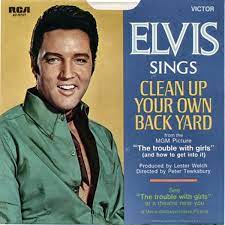
Elvis Presley had a song about it: people who say one thing or judge others about another, while they are doing the very things they speak against (or worse) when they think no one else is watching them.

Clean up your own backyard
Oh don’t you hand me, don’t you hand me none of your lines
Clean up your own backyard
You tend to your business, I’ll tend to mine

Elvis Presley’s Clean Up Your Own Backyard

Jesus had another way of saying the same thing. He encourages us to consider the moat in our own eyes before worrying about the speck in somebody else’s. Of one of the many lessons from our pandemic experiences, perhaps the most important comes from this concept. If we take care of the business in our own backyard as we ought, we won’t have time or energy to commit the sin of judging other people (God’s job) or sticking our nose in their business. And if we look more closely at ourselves, we’re bound to discover more empathy for others because we’ll see just how far from perfect we are ourselves.

Proverbs contains several verses with practical steps to take care of the business in our own backyard, God’s way. Chapter 3, verses 5-6 advise:

With all your heart, you must trust the LORD and not your own judgment. Always let Him lead you, and He will clear the road for you to follow.

Contemporary English Version

So many people say God wants them to do such and such without seeing the fallacy of their thinking. They mistaken following the desires of their hearts for listening to God’s instructions. God will never tell us to do something that goes against His word. The truth of the matter is that none of us are trusting the LORD if we are relying on our understanding of HIM from our own feelings about God rather than knowing the WORD of God, which is how the LORD leads us to the ultimate truth.

How I wish we could know all there is to know about God merely by saying aloud something like, “I believe God exists and that He wants the best for me.” Too many people live this way, which is why you see them on television claiming to be Christian in one breath and saying something that goes against God’s Word in the next. (We all do this at some point and to some degree, which is why we need Jesus, our Savior, to attain salvation.)

Proverbs 16: 2-6 goes into more detail about the steps necessary to follow God’s will and not our own desires:

All the ways of a man are clean and innocent in his own eyes [and he may see nothing wrong with his actions], But the LORD weighs and examines the motives and intents [of the heart and knows the truth]. Commit your works to the LORD [submit and trust them to Him], And your plans will succeed [if you respond to His will and guidance].

The LORD has made everything for its own purpose, Even the wicked [according to their role] for the day of evil. Everyone who is proud and arrogant in heart is disgusting and exceedingly offensive to the LORD; Be assured he will not go unpunished. By mercy and lovingkindness and truth [not superficial ritual], wickedness is cleansed from the heart,

And by the fear of the LORD one avoids evil.

Amplified Version

These verses make several clear points about how to live by the code of taking care of our own business and leaving the business of others to God.

  1. Even though you may see nothing wrong with your actions, be aware that God knows you better even than you know yourself. How well do your actions hold up when you compare them to what the Bible tells you to do?
  2. Our actions are only going to succeed if we offer them to God, truly trusting Him to bring success to those actions. But this process only works if our plans line up with God’s will and guidance. How do we know God’s will or understand how He may guide us?
    • We cannot truly know God’s will without having knowledge of God’s Word, where He is the same yesterday, today and tomorrow. The Bible is God talking to us through the centuries. It is a book meant to be understood in whole, not by piecemeal to twist things to our point of view.
    • We cannot know how God may be guiding us without being in constant, real communication with Him. Prayer can happen anytime, anywhere. It can be a silent moment before you start the car, asking for safe journeys and open eyes to catch opportunities to do His will while you run your errands. It can be long meditation in a closed room, free from distractions, when you pour out all of you in the faithful confidence that God listens.
  3. The proud and arrogant of heart, those who choose to do what they want without any care as to what God’s will might be, are destined to punishment. Whenever we want to rush to judge somebody else, we need to remind ourselves that God clearly reserves the sole right to have this privilege. Our job is to take comfort in the knowledge that God punishes all evil eventually.
  4. Mercy, love to others, and truthfulness help us purge wickedness from our hearts. Fearing God means respecting what He says, reading His Word, doing His will, following His rules and approaching His throne in full-knowing of how much MORE He is than we can ever be. These steps, this kind of fear of God, helps us avoid evil, including the evil of looking over the picket fence and judging next door instead of taking care of the waist-high weeds in our own yard.

Elvis fans know he took the letters TCB (take care of business) as his personal motto, in part a reminder of these very truths. As a person always in the spotlight, he had more than his fair share of people looking over the fence to judge his business. By concentrating on his own business instead of what those people had to say, he helped keep his life focused on what mattered most to him.

As Christians, what matters most to us is our relationship with Christ. We want the angels to dance around His throne for us. Let’s focus on that goal. When we quit looking over the fence, I firmly believe we will love our neighborhoods again and keep God at the center of all our actions, just like He wants from us.

In Christ,
Ramona

Visit RamonaLevacy.com to find out more about my novels.

Posted in Christian Living

For Such A Time As This: A Time For All

It’s one of my favorite quotes in the Bible. Esther, a common woman, finds herself in extraordinary circumstances. She can save her people from a death sentence, but she must risk her life in order to succeed. As she struggles with doubt, her cousin Mordecai tells her, “For if you remain silent at this time, relief and deliverance for the Jews will arise from another place, but you and your father’s family will perish. And who knows but that you have come to your royal position for such a time as this?” (Esther 4:14)

Today, all of us face extremely different, extraordinary circumstances. We find ourselves facing peril on many fronts, from trying to stay healthy to dealing with political, social and economic issues. For all intents and purposes, it seems like the world at large is balanced on a narrow thread, teetering on the brink of success or failure.

To God, each of us matters. Jesus talks about the shepherd who goes looking everywhere for the one sheep that is missing. The father of the prodigal rejoices over his son’s return. Jesus points to the birds and asks us to consider how much more God will take care of us when He provides so well for these feathered wonders. Christ died on the cross to ensure each of us has the opportunity to be saved.

What if God has put you in this time and place for such a time as this? As Christians, showing the world the kind of difference following Jesus makes in our lives is so important. His kindness, compassion and empathy provide the love and understanding the world needs to find healing, now more than ever. For such a time as this, the world needs people who can absorb the impact of uncertainty and change and walk in the faith that God is in control.

As Christians, we know that ultimately God’s Will prevails. If we live each day walking with God, strong in the knowledge of His sovereignty, providing vibes of His peace with our patient interactions with people we meet, have we not fulfilled the promise of doing what God needs us to do in such a time as this? No, we can’t change the whole world with the actions we can control on a daily basis, but we can make a difference one person at a time. If enough of us embrace our faith and walk this planet as Jesus would do, we will see a changed world, a world better than what it has ever been before.

Kindness can be tricky. We want to believe that all kind people are going to heaven. But kindness that does not root itself in faith is fleeting, likely to crumble at the first signs of challenge. When this current crisis passes, much of the good deeds being done will shrivel away. But kind acts rooted in faith breed more kind acts. We love and are kind every day when we walk with Christ, whether the world is falling apart around us or not. One person at a time, one day at a time, we make a difference by acting on God’s Word.

Small acts can make a large difference. In this masked-up reality, we can’t see a simple smile, but we can meet people in the eye. And the looks our eyes project can be full of joy or empathy. We can respond with polite words when we are confronted with rudeness. We can understand that no one is operating at full capacity at the moment. We can offer people the benefit of the doubt.

What is your spiritual gift? How are you using it during this crazy time? I believe my spiritual gift involves writing. When I feel that God has given me something worthy to say, I write a blog post about it to share that idea. There are other ways I can use my writing as well, like sending cards to people who are struggling or alone.

How are you applying your spiritual gifts during such a time as this? Instead of worrying about the speck in your neighbor’s eye, are you working on the log in your own? Are you good at talking to people about faith and hope, especially when they are caught up in despair? Are you praising God for His mercy and wonder and grace? Are you praying for and with others? Are you prepared to be mocked for your beliefs, sure in the knowledge of the promise of what is to come?

Conservative views are under attack, prompting us to respond with anger or bloated righteousness instead of turning the other cheek. The late Ravi Zacharias perfected the model of responding like Jesus to such attacks. Never giving up what he knew to be the truth, he would calmly ask questions of his attackers, working to understand their point of view at the same time he tried to help them see the issue from his point of view. Because he applied this Socratic method in love, regardless of the hate being directed to him, he often showed how love and patience will always reveal God’s truth better than hatred and anger.

What if we as Christians in such a time as this applied the methods of love and patience and turning the other cheek each day instead of attacking back? What if in such a time as this, God needs us to be like Jesus more than ever? What if He put you in this time and place because He knows you can walk by faith and find the strength to see everyone through a lens of love, even as you cling to the conservative truths that help you continuously walk with God?

Pray to be like Jesus. Know His Word. Let it begin your day and guide it. Return to Him every time you feel yourself slipping into fear or anger or despair. When we model the perfect peace of knowing God, we will make others want what we have. At such a time as this, helping others find the gift of knowing a loving God seems like the most important thing of all.

What is your next step? Why did God put you here, in this time and place? Anyone can make a difference, for the good or the bad. Choose the good. Choose Jesus.

In Christ,
Ramona

Posted in Christian Living

Free From


Natural, whatever that means, is in. People all around the world search daily for products and ways of doing things that are as clean and simple as possible. Being free of synthetic chemicals or genetically-manufactured ingredients, eliminating waste by recycling and switching to re-usable instead of disposable packaging are all growing trends on this planet that seems to shrink minute by minute.

We seek to be free from other things as well, things like pain and discipline and hard choices. Instead of sitting in the quiet of our mind, we sit with our eyes glued to electronic screens, streaming cat videos even as we wait in line at the supermarket. We long to be free from confrontation so that we embrace a live and let live way of doing things. We trade momentary comforts for the much longer-lasting future of our eternal home. Why don’t we humans realize that in seeking to be free from so many of these hard things, we also free ourselves of the many blessings available to us when we fully embrace God?

I have heard it said that hell is God’s way of giving non-believers just what they have asked for, an existence without Him. But, even we believers sometimes live as if there is no God without realizing all the implications of a world free from His ever-present love.

Without God, life’s challenges amplify. We have no knowledge of salvation to lean upon. A world without God, without a master Creator, has no grand plan, only a kind of chaos that can give and take without rhyme or reason, without purpose. The bad things that happen only teach us the pain of bad things. The good things of this earth are the limit of the good things we will ever know. We let our own minds define good and bad so that my definition of right ultimately ends up being someone else’s definition of great pain.

When we face the world on the world’s terms, we accept as okay behaviors and attitudes that break God’s heart. We allow the world to think there is nothing wrong with sexual immorality, making any relationship acceptable, negating the importance of marriage and faithfulness. We allow our words to be foul and hurtful and mean, even when we think we are doing right. Worse, we hold back words that need said in order to avoid offending a world that thinks it wants to be free from God.

But living always and in all ways in full knowing of God’s omnipotence offers a different kind of free from. The things we are free from when we fully embrace God are the most important things of all.

With God, all things are possible, which means that even when the worst things happen to us, God finds a way to bring something positive out of the bad. Maybe, we learn to slow down and appreciate the little things in each day that build into a peaceful life. When I find myself worrying about things that might happen, turning to God instead and putting my mind to thanking Him for the smell of honeysuckle in the air or the slick fur beneath my fingers of a kitty cat purring in my lap helps me feel centered and less stressed.

Believing in and following God also gives me freedom from judging, myself as well as the people around me. Only through a God-inspired lens do I tap into the ability to empathize and see life from multiple perspectives. I am free from a self-centered reality that only leads to loneliness and emptiness when I fill myself up with the kind of love Jesus demonstrated when He came to live among us.

Jesus tells us to come to Him because His yoke is light. Because His grace is a present for all who believe, we are released from the burden of always being perfect. Salvation under the law means that breaking even one of God’s rules puts you in breach of the entire contract. Salvation under grace means that as long as we recognize our stumbles and repent of them, we maintain our wonderful, personal relationship with our God. Being free from the burden of the law frees us to embrace living Christ day to day.

Be free from the fear of your future, free from the fear of losing out on forgiveness, free from the impossible expectations of a greedy world. Turn to your personal, omnipotent Creator. Love and live Jesus and be free from everything except the only things that matter.

In Christ,
Ramona