Posted in Faith

Diving In

sunny-summer-lake-river-medium

In the climax of the old time radio show, the villain whined to Dick Powell that his hair had been pulled too hard. Powell responded, “The way things are looking, the state is going to have to shave your head.”

It dawned on me as I listened to the radio that many listeners, especially younger ones, might not get what Powell was actually saying, that the bad man would likely be convicted for his crimes and sentenced to die by the electric chair, which would require the state to shave the man’s head to carry out his sentence.

In the song, “Harper Valley P.T.A.,” one of the admonitions the singer makes against a P.T.A. board member is that she seems to use a lot of ice whenever her husband is away. You would have to know there was  a time when people had ice delivered to their homes to understand that this statement implies that the ice man goes to the woman’s house very frequently whenever the woman’s husband is out of town.

If we can lose the ability to understand phrases and metaphors in just a generation or two, I thought, is it any wonder that large chunks of the Bible often seem just outside our grasp? Why would combining two kinds of material in one piece of clothing be a bad thing, for example? Why should Elisha get so irritated with some smart-mouthed youths for teasing him about his bald head that he would sick bears to maul them in revenge?

Even more so than in life, the Bible is layers of meaning. The core messages are irrefutable, black and white musts that even the most contentious believers can agree upon: salvation is a gift we receive when we repent of our sinful nature, accept our need for Jesus’ interference on our behalf to put us back into relationship with God ( a relationship broken by our sin), and make a public declaration of our renewed relationship through baptism.

When we reach out to the farther layers of the Bible’s meanings, our ability to come to a consensus is less clear. Does this “blurred” layer mean the Bible is not the word of God or not to be trusted? Of course not! Theologians have many wonderful, thoughtful answers to the Bible’s sometimes ambiguity, especially for us modern world readers. I have two, much more simple, reasons to believe you can trust the Bible as the Word of God.

One of the first people on record to question God is Job, the ancient man whom God allowed Satan to torture by stripping him of all the earthly wealth, health and family he had accrued. Job never berates God, even though he knows he hasn’t done anything to deserve so much devastation. He does, however, have some tough questions for God about what the way the world works. God’s answer underscores how silly it is that we humans, with a very finite perspective on the world and all that is in it, are always trying to proceed as if the answers to all the universe’s questions are actually within our grasp:

Where were you when I laid the earth’s foundation? Tell me, if you understand. Who marked off its dimensions? Surely you know! Who stretched a measuring line across it? On what were its footings set, or who laid its cornerstone—while the morning stars sang together and all the angels shouted for joy? “Who shut up the sea behind doors when it burst forth from the womb, when I made the clouds its garment and wrapped it in thick darkness, when I fixed limits for it and set its doors and bars in place, when I said, ‘This far you may come and no farther; here is where your proud waves halt’?  “Have you ever given orders to the morning, or shown the dawn its place, that it might take the earth by the edges and shake the wicked out of it?  Job 38:4-13

We believe in the Bible’s veracity because the God who knows so much more than we can ever imagine knows why there are sections of the Bible that make us go, “huh?”.  In the end, do the places where you don’t quite get it really make or break your relationship with Him? My guess is no. And, when you finally get the answers to those questions in the realm of the angels, will the questions even matter anymore, anyway?

If you have trouble leaning into the truth of God’s Word, perhaps you need to take a clue from some of our modern “disciples.” Singer Nicole Nordemann asks in one of her records, “What if your wrong? What if there’s more? What if there’s hope you never dreamed of hoping for?” She encourages the non-believer to close his/her eyes, jump and wait to fall into the arms of Jesus. Steven Curtis Chapman likens his belief to diving into the river of faith, sink or swim.

This approach to a relationship with God, in which the believer spreads wide the arms and releases into the unknown is just the picture of faith that Christ offers us:

Truly I tell you, anyone who will not receive the kingdom of God like a little child will never enter it. (Mark 10:15)

Have you ever met a cynical child? The child’s brain hasn’t been wounded by failed expectation, hasn’t suffered the agonies of mistaken conclusions, hasn’t learned to distrust. Rather than closing off their inner selves from the outside world because they have been hurt, children have the wide open hearts that accept love and give it unconditionally. By embracing the truth of God’s promises with the same kind of openness as we had when we were children who had not been wounded by a fallen world, we practice the kind of faith that was credited to Abraham as righteousness.

Only a faith that is willing to dive in to a relationship with God will survive the bumps and bruises of this life and reach toward the unknowable with a feeling of peace.


Posted in Christian Living

Learning to Pray

Hagar by Edmonia Lewis

Next to our very precious salvation, prayer is the greatest gift we have from our loving Father. In prayer, we clumsy, defective humans get to communicate with the One who is so powerful, even our amazing brains don’t come anywhere close to comprehending His magnificence.

Besides the book of Psalms, which might be called a book of prayers, there are also many prayers throughout the Old and New Testament. Moses prays for Israel in the Wilderness. Solomon prays for the newly finished Temple. Mary prays for the gift of the Son of Man. In times of great trouble or tremendous joy, believers lift their voices to supplicate and praise an awesome God.

Before Christ tore away the curtain, the only people who had direct access to God were the High Priests, who went into the most Holy of Holies to be in communion with the most direct connection to God humans at that point had. But, when Christ died on the cross for our sins, we were given an intercessor who gives us direct access to God any time we take advantage of it. The Holy Spirit, who dwells in those who believe that Christ is the Savior, is who makes it possible for us to know that when we call out to God, He is always listening.

God promises to answer every prayer. Because His answer can be no, we often forget that God doesn’t break His promises. Have you experienced times in your life that, in retrospect, were important growth opportunities because God said no? Our limited perspective is incapable of seeing things from God’s big picture view. But learning to embrace faith in God’s ability to guide things to the good makes praying an act of truly trusting God’s will.

Jesus gave us all a pattern for praying, the Lord’s Prayer. Whether we say it word for word or use it as a pattern for our communication with God, this prayer is the starting point for any believer’s path to better conversations with the LORD.

Our Father, who art in heaven, the prayer begins, hallowed be thy name. Begin any prayer by coming to God in full knowledge of his holiness. God is the master of the universe and your life. When you approach Him in the humility fostered by this view of His awesomeness, you will be offering your most truthful, sincere self to the One who already knows what you are going to say and yet wants to hear it from you anyway.

Thy kingdom come, thy will be done on earth as it is in heaven, is the next section of this prayer. We can only ever expect God to answer our prayers when those prayers are in alignment with His will. If you pray for a nicer car or other material luxuries, you are much less likely to be in the will of God as when you are praying for your relationship with Him or the welfare of yourself and others.

Give us this day our daily bread, the prayer continues. We have the right to ask of God the things we need to make it through each day. Because God takes care of us from day to day, we are encouraged not to let tomorrow, which might never happen anyway, or the past, which is done and unchangeable, not misdirect our focus from the present moment. The present, this day, is the only thing we really have, and Jesus encourages us to trust Him to take care of our needs each day.

Forgive us our sins as we forgive those who trespass against us, comes next. The core value of prayer is the relationship we have with our God. Because sin separates us from God, only when we recognize our own foibles and bring them to God in our repentance do we come back into relationship with Him through the grace of Christ. Equally important, this section of the prayer reminds us, is our ability to forgive others just as Christ has forgiven us. If we can’t pay mercy forward, Christ tells us, then why should God be expected to overlook the sins we all carry?

Many manuscripts end the Lord’s Prayer with this plea: And lead us not into temptation, but deliver us from the evil one. The narrow path of walking a Christ-centered life in a fallen world means we will be exposed to evil. A prayer that acknowledges that we live in a world where the devil is very active helps us to understand how very important our ongoing relationship with God is to our survival. We can only stand against what we recognize as a threat.

Holiness, thankfulness, neediness, forgiveness, cleanliness–these conditions of our relationship with God are what should guide our conversations with Him. Ever wonder how we can call prayer a conversation when only we humans are talking? We can find God’s side of the conversation in His Word, where many of the answers to life’s questions can be discovered if only we will read and study the Bible in a Holy Spirit-guided way.

Your prayers don’t have to be award-winning poetry. Paul tells us they can even be groanings that are not words but still convey our needs to the Father. What prayers need to be are our honest, humble attempts to enter into a relationship with our most powerful, loving God.

Say what you feel to the LORD-ALL-POWERFUL. Anytime, anyplace, anywhere–He’s listening.

Posted in Christian Living, Faith

Whose Job Is It Anyway?

IMG_6965

Whether you run a major conglomerate or sell computers at a box store, you have a job description that more or less clarifies the duties, responsibilities and parameters that make your job unique. Accomplishing your tasks at work gives you a sense of success and even fulfillment.

But true fulfillment encompasses all aspects of one’s life. When we are at peace with God, our family, our work and our place in relationship to all these things, we might truly claim that elusive state of being known as fulfillment.

Chances are that people who feel unfulfilled are trying to do God’s job for Him. Does that seem shocking to you? As a perfectionist who is always worrying about whether I am doing what God wants me to do, even though I know I cannot earn my way into heaven, I live in the not-so-friendly world of trying to do God’s job. The consequences are that I am often anxious, frustrated, or hopeless. By questioning my life’s purpose in this way, I am denying God the job He promises to do of having my back.

“A person’s steps are directed by the LORD,” the wise man of Proverbs tells us. “How then can anyone understand their own way?” (Proverbs 20:24)

God’s word is replete with His admonition that we trust in Him. Jesus tells us not to worry because we cannot add one hair to our head. If God takes care of the birds and the meadows, He reminds us, how much more will He take care of us?  The prophet Jeremiah is assured that God knew Him before the womb, sanctifying Jeremiah as a prophet before he took his first breath.

Whenever people try to take over God’s job in the Bible, trouble follows.  When Ahab, the king of Israel, wants to go to war against Ramoth Gilead with the help of King Jehoshaphat of Judah, the two proceed against the advice of God’s prophet and attack the enemy even though God has said they will lose. By doing God’s job, the two kings fail, with Ahab actually losing his life (1 Kings 22).

How does a life look when we step aside to let God do his job? The Psalmist tells us that “the steps of a good man are ordered by the LORD; and he delights in his way (37:23).” And why wouldn’t the good man be delighted? When we wake each day knowing we are going to strive to follow God’s laws and be open to the work He puts in our path, how can we be anything but assured in our way?  If God can place the stars in the sky, surely He can guide the steps of an earnest believer like me.

Embracing God’s sovereignty in all things puts His job description into sharp perspective. God judges, so my job is not to be critical of people around me. God punishes, so my job is to forgive. God saves, so my job is to love.  Solomon writes,

“The mind of man plans his way. But the LORD directs his steps” (Proverbs 16:9)

Even though I still have decisions to make each day, knowing that the really important ones have already been made by God is very freeing. I need to lean into the realization that I am where God wants me to be. If I keep doing my job of believing, praying, and studying and acting on His Word, God will work everything in my life to the good (Romans 8:28). Success isn’t the amount of money in my bank account or the number of people who know my name, but living by faith:

I know, O LORD, that a man’s way is not in himself, nor is it in a man who walks to direct his steps. (Jeremiah 10:23)

Using faith as the answer to why can take the angst out of a perfectionist’s world. Letting God do His job will truly make all the difference in mine.

Posted in Christian Living

The Power of Gratitude

IMG_0871

As flood waters rose around Houston earlier this week, neighbors came together to help neighbors because that’s what Texans do.

In one such scene, a man holding his infant road out from his flooded house on a fisherman’s johnboat. As he stepped out of the boat into safety, he reached into his pocket to offer his rescuer the cash he had in it. Even though this man was facing devastating loss, he was so grateful to be saved that he offered all that he had in thankfulness.

God longs to hear that kind of gratitude from us, we children born in sin yet saved by the sacrifice of his one and only Son:

He has shown you, O mortal, what is good. And what does the LORD require of you? To act justly and to love mercy and to walk humbly with your God. (Micah 6:8)

A humble heart understands what it owes to the forgiver of all sins, to the One who asked of Job, “Where were you when I laid the earth’s foundation? . . . Who marked off its dimensions? . . . Who laid its cornerstone–while the morning stars sang together and all the angels shouted for joy?” (Job 38: 4-7).

In a world where even the stones will cry out if we will not praise our God, surely His praises should be ever on our lips.

 Yet, how often do we fall short of the kind of gratitude God deserves? Each day, we wake up with every intention to be good, and each day we inevitably fall short of our goal. No matter how hard we try, we can never earn our way into heaven. Yet, even though we don’t deserve to be there, God willingly gave of Himself so that we would have a free pass into His heavenly realm.
It seems like the very least we could do would be to remember to say a sincere thank You every once in a while. The New Testament writers will us to do even more than this:

Give thanks in all circumstances; for this is the will of God in Christ Jesus for you. (1 Thessalonians 5:18)

Do not be anxious about anything, but in everything by prayer and supplication with thanksgiving let your requests be made known to God. (Philippians 4:6)

When we praise God, we not only please Him, but we also give ourselves a helping of the peace He promises when we agree to join Him in His “easy yoke and light burden” (Matt. 11:30).

In her great devotional, Jesus Calling, Sarah Young encourages us to thank God in all things in order to draw ourselves closer to Him. For example, she writes, we should be thanking Him in advance for His answers to our prayers.

Perhaps you do this all the time already. Perhaps, like me, you have been so intent on the need in your praying, you have forgotten about God’s promise to answer all prayers. His answer may be no, but He always gives you one. When I followed Young’s advice and added thankfulness to my requests, I was quick to discover the calming ability of a little bit of gratitude.

What happens when we don’t give God thanks? Paul tells us this lack of attention leads only to despair:

For although they knew God, they did not honor him as God or give thanks to him, but they became futile in their thinking, and their foolish hearts were darkened. (Romans 1:21)

Practice thankfulness on the easy days, and you'll be ready to be thankful even on your darkest days.
Practice thankfulness on the easy days, and you’ll be ready to be thankful even on your darkest days.

On a sunny day, laying in the shade of your favorite tree and sipping lemonade as you listen to the birds chatter over your head–that’s the time to start working your gratitude muscles. Discover new and loving ways to say thank you to the Maker of Heaven and Earth.

It’s those sunny-day thanks that will give you the reflexes to find gratitude as you wallow in life’s shadows. He is sometimes harder to find in the valleys, until you topple into His open arms and realize just how much you actually depend on Him. When you finish being angry at Him for the mess you’re in, you remember the joy of times spent in His presence when being thankful was easy.

You realize just how many reasons you have to be thankful for Him in the midst of your greatest trials.

Like the psalmists who found words of praise for the Lord on a daily basis, you too should vow to:

. . . give thanks to the Lord because of his righteousness./ I will sing the praises of the name of the Lord Most High. (Psalm 7:17)

Make gratitude a major component in your relationship with God and others, and you’ll soon discover how powerful the words thank you can be.

Posted in Christian Living

Denial Ain’t Just A River In Egypt, Unfortunately

Nile_006
                            The Nile River

Our country was founded on the principle of being “one nation under God.” For some, the experiment of government which began in 1776 represented the supreme achievement of humanity, a project that surely had the approval and even power of God behind it.

I wonder what those founders would say about the country we have today. Do we still reflect a nation under God?

As I watched an episode of “Family Feud” recently, I was struck by the number one answer to the prompt that cuts to the heart of this question of our nation’s “godliness.” When asked how many of the Ten Commandments they had broken in the past week, the majority of people said once.

One time, really? As comedian John Pinette might put it, “I say, nay, nay.”

What this response revealed to me was the depth of our self-delusion in a world marked by a strong reliance on a belief system that is really humanism cloaked in religion. Humanism places mankind above all things, going so far as to make man a god. The end goal of humanism is happiness, often achieved by convincing the self that it is the best possible self it can be.

Humanists have a relative moral compass. As long as they don’t hurt somebody else, then they are living good lives. In fact, if their ultimate happiness is achieved by their actions, then even if they hurt somebody, their actions are justified.

Television, movies, the internet, and the unyielding consumerism machine all support the humanistic approach to life. They are pervasive, persuasive and corrosive. They do a great job of lulling us into a sense of security so that we don’t even realize when the lines between religion and humanism are blurred.

Consumerism leads us away from God.

But when we get specific, the walls of humanism crumble. Consider the Ten Commandments question. Because we are conditioned to see the best side of ourselves, we really don’t see our own failings. We fall victim to the pride that most severely separates us from the one, true God.

On any given day, we must fight the temptations that would have us breaking the commandments. How often do you allow the cares of this world to get in the way of your relationship with God, whether it be watching television when you could be studying the Bible or trying to juggle your funds because of purchases you should not have made? Are you ruled more by God or by the bills in your mailbox?

Do you really make it through a day without wanting the handbag some woman is carrying in the mall or, even more likely, the kind of life you see blaring from your television screen? You may not follow through on the desire, but you are still coveting.

Were you short with your father or mother this past week? Did they make a simple request you scoffed? Can you not remember the last time you even spoke to them? Honoring your father and mother involves more than just doing what you are told when you are under their roof.

Did you know that God hates a loose, lying tongue? Look for verses on the words we speak, and you will find countless references in the Word warning us to bide our tongues. In Revelation, God equates perpetual liars with those who practice sexual perversions on the sin list. Did you tell the whole truth in the last week? Were your words kind, uplifting and of the Spirit? Did you manage to refrain from gossip, which is usually a half-truth that is still a form of lying?

Do you think my take on the commandments is too strict, too overreaching? Read the Sermon on the Mount. Christ did not come to the world to negate the Law, but to fulfill it. His sacrifice saves us from our own sinfulness, but it does not give us carte blanche to sin. In fact, Christ’s approach to living takes the Ten Commandments to the next level.

In the Sermon on the Mount, Christ implores us to not only not commit adultery, but to not even think about it. If one part of our body leads us into sin, He tells us, then we would be better served to rid ourselves of the offending body part then risk not making it to heaven.

Choose to be humble.
                     Choose to be humble.

God loves humility, which the Bible defines as the “fear of the Lord” (Proverbs 22:4a). A humble heart embraces its own failings. A humble heart sees truth through the eyes of its Maker and not according to its own desires. “Pride brings a person low,” the Proverbs tell us, “but the lowly in spirit gain honor” (29:23).  As opposed to humanism, which encourages people to consider the self as godly, Christianity implores us to “do nothing out of selfish ambition or vain conceit; rather, in humility value others above yourselves” (Philippians 2:3).

A truly humble heart would answer the Ten Commandments question quite differently. It would know that in a world that is cloaked in the grace of Christ, we still stumble. We continue to strive because of Christ’s example of love, even as we know that we will ultimately fall short. The very definition of grace, the gift of salvation from a loving God that cannot be earned but must be accepted, proves that no person is without sin.

My prayer is that we all can live in the eye-opening state of humbleness rather than the veiled existence of humanism. Only by putting God first in all things instead of ourselves will we truly see ourselves most clearly. Then, we will know that the Ten Commandments are about our everyday lives and not some archaic law to be considered once a week. Then, we will truly understand what it means to live “under God.”


Posted in Faith, Living

This Wounded Heart

light-flowers-yellow-metal-8894-large

Loss is a gift to the living, who find in grief the opportunity to truly know joy, in tears to embrace a hearty smile. Without loss, we would have no pain to compare to gladness. It would be a dull world indeed if every day was just the same without low points or high points. In the human condition, we must have low points in order to understand the highlights.

But none of this logic is very comforting in the midst of despair. Even though in despair is exactly where we should be most vigilant with our walk by faith, it is often in the valley of the shadow that we lose our way entirely. In the time of our greatest grief, we will lean heaviest on what is familiar. If we have spent our lives reaching for the one, true God, we will not have far to fall before we find Him. Where we strain most in darkness, His is the brightest light.

In February of 2015, a season of grief and shadows began in my faith walk. My grandmother passed away, my last remaining grandparent. At the funeral, my mother explained that she was having trouble using her hands, a worrisome affliction. Shortly after, my father-in-law was diagnosed with cancer. In a few weeks, we learned the condition was terminal. In October, my mother’s condition was much worse. She had been for many tests and finally came to a specialist in Houston, who diagnosed her with ALS, or Lou Gehrig’s Disease. Right before Christmas, my brother-in-law, who had been battling liver cancer since August of 2014, succumbed. Not even two weeks later, my father-in-law also died.

So, today, when my best friend asked me to help her with verses for her unborn grandchild’s funeral, I had to sit down to reflect, and I do my best reflections when I write. This feeling is ironic because in the aftermath of my mother’s diagnosis and my husband’s family tragedies, I have given in to the feeling that for the first time in my life, words have failed me. Grief may make you bitter or angry or sorrowful, but it can make you feel like a cheat, too.

First, you are a cheat in grief because you are the survivor, the one who didn’t get the fatal illness or have the mortal accident. But, the pain of grief can also make you feel like a cheat because, despite all your high-handed, faithful words in the past, there are moments, long moments, when you don’t feel in great accord with God as you grieve. You may feel like He is punishing you (not Biblical) or has promised You a life without this pain (also not Biblical). You may even, in your heart of hearts, be just a little bit angry with Him for allowing the world to be this evil place where bad things happen like people dying!

And, when you feel these feelings, the last thing you think you are capable of doing is telling somebody else what kind of faith they should be having in God. You don’t want to be a fair-weather friend to the LORD-All-Powerful, but you don’t feel so buddy-buddy, either.

PhotoFunia-1457824003

Finding the Light in the valley of the shadow began for me with simple things, like hearing people on television discussing their own struggle to break out of a season in the slumps. One mantra, “Today is a good day for a good day,” helped me tremendously early on. By choosing to think about the good in the day I was in, I managed to while away the hours and even smile now and again.

Luckily for me, I have always spent a lot of time studying the Word and reading a wide variety of thinkers about their take on God. Long before this season of tragedy, I had read Philip Yancey’s Where is God When it Hurts?. I had taken many Bible studies with Beth Moore. I had studied the Word with Augustine and Randy Harris and Max Lucado. These foundations have helped me understand the process I am going through. I still have much to learn, much of which I will only learn by going where I have to go.

In the poem, “The Waking,” Theodore Roethke compares the process of living and dying to that of waking and sleeping. “I wake to sleep,” he writes, “and take my waking slow. I feel my fate in what I cannot fear. I learn by going where I have to go.” Because death is inevitable, the poet argues, the thing “Great Nature has to do to you and me,” we might as well embrace life in full knowledge of our coming death.

Even though life should be savored, I’ve come to understand, like A. E. Housman, that our post-death always may be ever more important. In Dead Lie We, the poet explains, “life to be sure is nothing much to lose, but young men think it is, and we were young.”

61FPbM3+M2L._SL300_

What do you say to a young woman who has to struggle through childbirth for a five-month fetus who has no beating heart? Philip Yancey puts it this way:

The notion of suffering as productive brings a new dimension to our experience of pain. Human beings undergo goal-directed suffering quite willingly, as athletes can attest. According to the Bible, a proper Christian response to suffering gives similar hope to the person on the hospital bed. As we rely on God, and trust his Spirit to mold us in his image, true hope takes shape within us, “a hope that does not disappoint.” We can literally become better persons because of suffering. Pain, however meaningless it may seem at the time, can be transformed. Where is God when it hurts? He is in us–not in the things that hurt–helping to transform bad into good. We can safely say that God can bring good out of evil; we cannot say that God brings about the evil in hopes of producing good.*

This transformation, this waking to sleep, is as old as the ages and takes as many forms as there are those who grieve and yet reach for the love of the ever-present God. In His Word, you will find examples of those who stood strong in faith despite tragedy, like David, those who railed against God in their despair, like many of the Psalmists, and those who put the will of God before their own needs, like Christ Himself.

As David proclaimed,

The LORD is my rock, my fortress and my deliverer; my God is my rock, in whom I take refuge, my shield and the horn of my salvation, my stronghold. (Psalm 18:2)

Only by establishing strongholds in God, either before tragedy or after, will you truly let God in to do his work of transforming you to the stronger person you are meant to be on the other side of the valley of shadow. Wounded hearts may never fully heal, but they feel much better when they are held in the loving hands of our all-powerful Father.

Peace I leave with you; my peace I give you. I do not give to you as the world gives. Do not let your hearts be troubled and do not be afraid. (John 14:27)

In Christ,
Ramona


*From Where is God when it hurts? by Philip Yancey. Copyright  1990, 1977. Zondervan Publishing,  p.109.


Posted in Faith

Know God Rejoices Over You

bible study

We should begin each day with a grateful prayer that God is patient.

How patient are you? Think about whatever annoys you most. Perhaps it is a yapping dog next door or a fussy baby at the next table in a restaurant. Maybe your nerves can’t stand the sound of loud music or large crowds.

Whenever one of these annoyances happens in your life, how long does it take for you to lose your cool? Do you move to another table, wear earplugs, stay home alone?

What if God were just as quick to let his righteous anger show? We deserve it. He says go right, and we zag left. He whispers for allegiance and offers a light hand. We turn stiff necks and deaf ears on Him.

We deserve to be thrown in the pit along with our Old Testament fellows, who defied God even when He gave them chance after chance to do what was right.

As Dr. Rubel Shelly explains in his upcoming book, More than a Fig Leaf, grace is not a concept that only comes along in the time of Christ.  When you compare how God treats the people of the Old Testament to how they actually deserved to be treated, you see a God of infinite patience who always acts under a plan of grace.

What more blessing could we ask for than that our God rejoices over us? The Bible tells us:

The Lord your God is with you;
    the mighty One will save you.
He will rejoice over you.
    You will rest in his love;
    he will sing and be joyful about you.
–Zephaniah 3:17 (NCV)

Bad things happen. In this world where the devil gets to play, the bad things happen more often than any of us would want. And, being a Christian doesn’t save us from any of the downs that dominate certain seasons of every life. In fact, Jesus reminds us, “He causes the sun to rise on good people and on evil people, and he sends rain to those who do right and to those who do wrong” (Matt. 5:45).

But, how comforting it is to realize that the bad things that happen when we are in Christ are not because of God’s impatience. Instead, we are able to survive the bad things because of God’s love for us.

If you are in the valley, remember the One who has promised to trek with you is there. Know His peace, and you will live in peace.

Posted in Faith

5 Facts About Faith That Will Impress Your Friends

Clouds

Now faith is the substance of things hoped for, the evidence of things not seen. (Hebrews 11:1)

Believing in the promises of God and living that belief is at the core of every Christian life. Here are five facets of faith to consider as you proceed with your Christian walk.

1. Faith is free to anyone willing to claim it.

Nothing worth having is usually free, but the greatest gift in the universe is on offer 24/7. All we have to do is ask for the gift of grace from God, acknowledging that we are a sinner in need of the salvation offered because of the sacrifice made for us on the Cross.

For God so loved the world that He gave His only begotten son so that whosoever believeth in Him shall not perish but have everlasting life. (John 3:16)

2. Faith makes us right with God.

Paul tells us that we all are sinners (Romans 3:23). No one is exempt from the need to be made right with God. When we are made right with Him, we come back into the relationship with Him which had been broken by our sin.

The Bible tells us that in a time before man had the luxury of believing in a Savior, Abraham’s faith in God was counted to him as righteousness (Genesis 15:6). In other words, because Abraham believed, he was saved.

Until we embrace faith in Christ, we are cut off from God. But, when we accept Christ as our Savior, the curtain that separates us from a perfect God is torn away.

3. Faith expresses itself through love.

Faith is a two-way street of love. Not only is it the direct result of God’s love for us, but it also encourages us to show that same love to others.

If you have ever tried to do a good deed for a complete stranger, then you know that acts of kindness take a certain amount of courage. Your offer of help might be rejected. You might get called names. Only if you can feel love for someone you don’t really know, all because God loves you despite all your flaws, can you take the leap of faith required to do good things for strangers.

Find Faith

4. True faith can claim good works.

If you have faith in Christ, then you should be able to claim good works in His name. These works may be as simple as being kind to someone who is treating you badly or making food for a neighbor who is ill.

James tells us that “faith by itself, if it does not have works, is dead” (2:17). In other words, if you call yourself a believer but you do not let that belief affect your actions, then just what, exactly, do you really believe?

True faith is life-changing because when you accept how truly awesome it is that the God of the universe cared enough about you to die for you, then you are moved to want to pay that beautiful gift forward.

5. Faith pleases God.

There’s a reason beyond the understanding of a humble human that God created us in His image. There’s a reason that He is ever so patient with a stubborn creation that repeatedly turns away from Him even though He is forever saving us from our own folly.

One thing we can understand, however, is that our faith in Him pleases God. The Psalmists tell us:

The Lord delights in those who fear him, who put their hope in his unfailing love.For the LORD takes pleasure in His people; He will beautify the afflicted ones with salvation. (Psalm 147:11 & 149:4)

The wise man of Proverbs assures us that “. . . those who deal faithfully are His delight” (12:22b).

Of all the wonders of faith, perhaps this is the most amazing thing of all–that we humans are capable of bringing joy to the God who tells the waves, this far.

In Christ,
Ramona


Posted in Christianity, Faith

Somebody’s Got To Die

th7IIOQ9PP

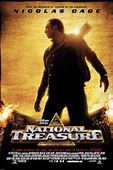
I just re-watched the Nicolas Cage film, National Treasure, the other day. If you will recall, the Nicolas Cage character (Ben) steals the Declaration of Independence in order to save it from the bad guy. When the FBI agent catches up with Ben, he keeps explaining, “Somebody’s got to go to jail Ben,” because the Declaration had been stolen. No matter that Ben had discovered a massive treasure for the nation, somebody still had to go to jail to make up for the crime of stealing a national document.

When it comes to a world filled with sin, the same concept applies. Because the “wages of sin is death,” in order to escape the sentence of death we all deserve, somebody’s got to die.

How fortunate we are that Christ was willing to come to earth and become the sacrificial lamb that died for the wages of all our sins. Because of this sacrifice, we all have the opportunity to escape the wages of the sin we inevitably commit. By accepting Him as the guiding force in our life, we open our arms to a different possibility. We get to live because somebody else died.

When we sin, we sever the relationship we have with God. In the times before Christ, that broken relationship could only be mended by the offering of sacrifices. Leviticus especially explains the requirements of many of these sacrifices. In most cases, the blood of a living thing, be it a dove or a lamb, would be required to be shed in order to take away the sin that had been committed and return the person back into relationship with God. Somebody had to die.

If we never take for granted the weight of knowing that somebody else has died for us, then surely we will do a better job each day of following in the footsteps of Christ. Kindness to others, showing love when we least feel like it, praising God, all these actions should be as second nature to us.

cross-66700_640

Yet, living in a world more than 2,000 years after sacrifice was a regular way of life, we may be slightly numb to the concept of a life given for us. The televised violence that flashes across our newscasts and even computer screens has desensitized us to the horror of an innocent life taken before its time. How well we would do to remember that, but for Christ, the life given for sin would be our own.

Yes, the life Christ saves is an eternal one, since all who are born to this earth also die from it. But, how much more important is the life of one’s soul compared to the blink of an eye which is this earthly existence?  Paul explains:

 What shall we say, then? Shall we go on sinning so that grace may increase? By no means! We are those who have died to sin; how can we live in it any longer?  Or don’t you know that all of us who were baptized into Christ Jesus were baptized into his death?   We were therefore buried with him through baptism into death in order that, just as Christ was raised from the dead through the glory of the Father, we too may live a new life. (Romans 6:1-4)

Our new life is the one led by the Holy Spirit in us, the ultimate sign of our healed relationship with God. Because somebody has died, that is, Christ, we have a permanent, unbreakable relationship with God as long as we accept that Christ is our savior.

In a politically correct world, where we create soccer leagues that give every child a trophy and where no one can stand up and say that is wrong without risking ridicule or punishment, it may seem blunt to say with conviction that a relationship with God requires a sacrifice. But, think again, for this same, seemingly strict God is the One who loves us so much that He was willing to become the sacrifice that paid the price for sin once and for all.

Somebody’s got to die. Thankfully, Somebody did.


Posted in Christianity, Faith, Uncategorized

This Christmas

Nativity-Scene

How amazing is it that the God who created the universe was willing to take on the form of a mortal man, suffer the indignities of being human, and even let Himself be ridiculed and hung like a common criminal–all so we might be forgiven and brought back into relationship with Him?

Think about everything you hate having to do. God took out the trash, washed the dishes, fed the donkeys, and even bathed other people’s feet. He who could call upon a legion of angels to verify His power allowed Himself to be mocked by much lesser beings. He allowed himself to be whipped, spit upon, crucified.

He who could raise the dead allowed Himself to experience the horror of a last, desperate breath. He watched His own earthly mother mourn for Him. He knew the motley crew He called disciples would trudge home after His death in an unknowing sense of defeat.

Do you love someone? Are you willing to make yourself into the lowest common denominator for that someone? Would you be ridiculed for that someone’s sake? Would you stand in front of your longest rivals and let them call you a fake, fraud, loser? Would you really?

We humans like to humanize God. Yet, even though we are made in His image, we cannot even begin to fathom how far down the scale of existence our Lord traveled to become our Savior. Fortunately, we don’t have to understand it.

We just have to believe.

Christmas is about the most amazing birth that will ever happen in our world, when He who has the power to move mountains, took on the shell of a being incapable of lifting a pebble.

But if we fail to recognize His glory, even the rocks will cry out.