
I just finished a novel whose main characters sought redemption, not in the ever-open arms of His amazing grace, but in a more secular and totally misguided belief that God doesn’t play by the rules.
This world’s true rule-breaker wants you to believe this humanistic approach to reality. If God changes the rules, then evil is all His fault. In one fell swoop, humanity gets a pass on every bad deed because a God who doesn’t follow the rules can’t expect His creations to stay on the straight and narrow.
This idea that God breaks rules is the world’s theology. It explains every person who validates his/her actions by claiming God wants them to be happy. It excuses every individual who expects to be clothed, fed and educated without doing anything to compensate for these luxuries other than breathing. It is much easier to blame an unseen God for the woes of the world than to contemplate one’s contribution to the rubble heap in which we live.
As long as Satan can keep us misinterpreting the very nature of God, he maintains a strong foothold in this fallen world. He, after all, is the original rule breaker. Master of lies, he is the one whispering in your ear when you say to yourself you are beyond redemption or when you give in to the despair that questions whether God has any power at all. Satan makes you believe your timetable is more accurate than the Maker of Time. Satan thrives on your impatience, your fear and doubts.
But God never strays from the rules His Book expounds in parables, epistles, and detailed law. When God made a promise to the patriarchs, He kept those promises, even when the fulfillment of the promise seemingly defied all odds, as when Sara gave birth to Abraham’s promised heir so late in the two parents’ lives. In James, we are reminded that
When tempted, no one should say, “God is tempting me.” For God cannot be tempted by evil, nor does he tempt anyone; each person is tempted when they are dragged away by their own evil desire and enticed. Then, after desire has conceived, it gives birth to sin; and sin, when it is full-grown, gives birth to death. (James 1:13-15)
Here are God’s rules:
- Having created beings to whom He granted full autonomy (they chose to eat forbidden fruit), God maintained that autonomy even when those creations attempted to become God-like themselves
- Away from the protected environment of paradise, God’s creations face a world where good and evil will always exist from which to choose in humanity’s quest to return to a complete relationship with our Holy Creator
- Being a loving God, our Creator continually seeks to bring us back into Holy Fellowship with Him
- First, He made a covenant promise to make our relationship with Him whole again
- Then, we broke that covenant over and over
- Being a forgiving God, He renewed His promise with us every time we repented, over and over
- Eventually, long after human patience would have given up on the planet a thousand times over, He completed that covenant promise by coming to earth as man, living a blameless life, and sacrificing Himself anyway for all the sins this evil world embraces
- As always and by the rules He never sways from, God’s only requirement for this amazing gift of forgiving grace is that we acknowledge our own sinful nature and need for redemption to Him and accept Jesus as our Redeemer
- In other words, God wants us to admit that we have been the ones who cannot follow the rules all along.
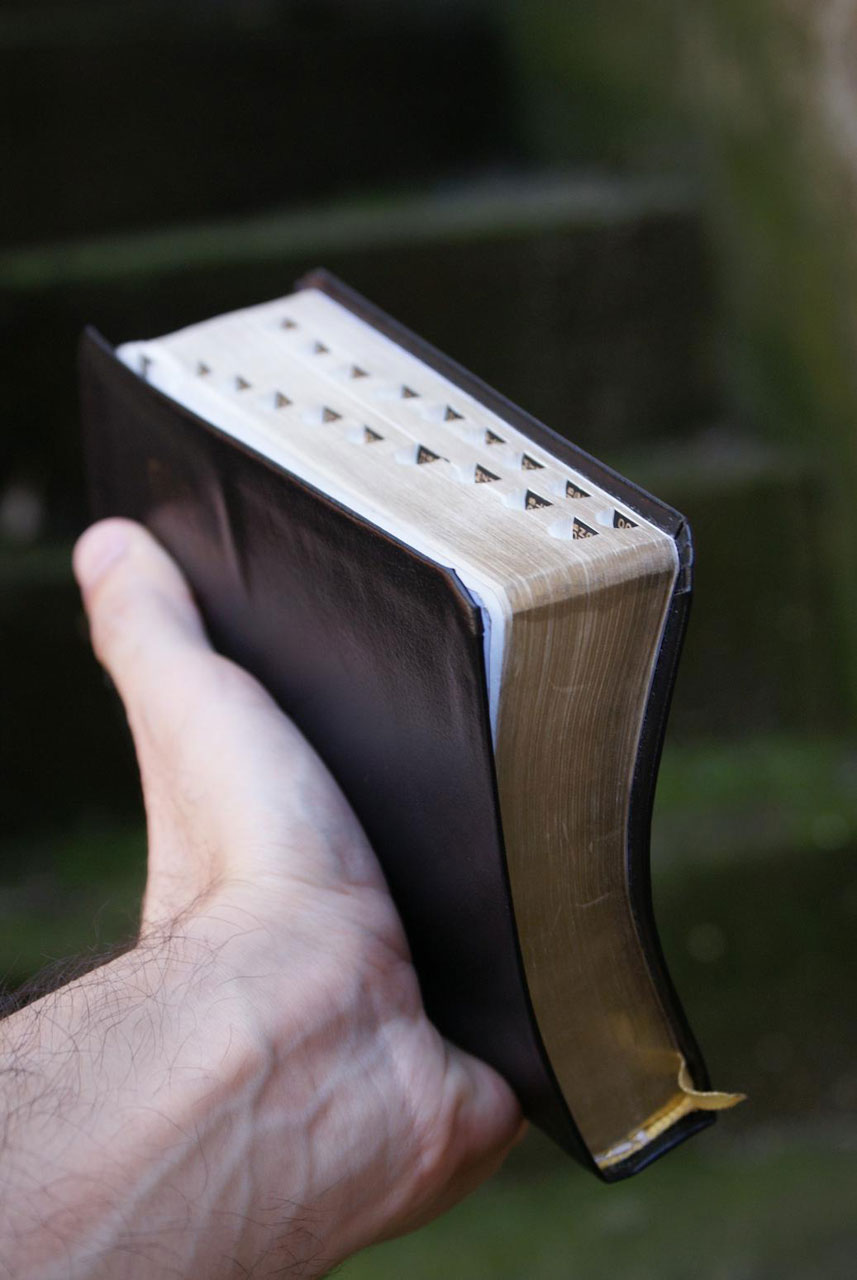
God is always by the Book. If you doubt it, then you have likely spent too much time embracing the perspectives of a fallen world rather than studying the promises found in the words and actions of our wondrous Creator. Everything else in the universe is ever-changing, but God is the same today, tomorrow and forever.

 goodchristianfiction