
We fickle humans do not thrive in abundance. Sitting in my fancy easy chair typing these words, I have more in my possession today than past generations of my ancestors ever hoped to possess. And yet, I daily struggle with doubts and fears, pride and anger that are incongruent with my economic “wealth.”
I have fallen victim despite the roots of my practical raising to the dream of finding happiness in a world where evil dwells. Even though I know that God’s reason for me has nothing to do with my happiness in this life, I still keep trying to find it. Even when I embrace the idea of seeking to thrive despite the pitfalls of living in a fallen world and I strive toward becoming what God needs of me for my eternal home, I too quickly fall back into the mind traps of the transient peace that happiness offers.
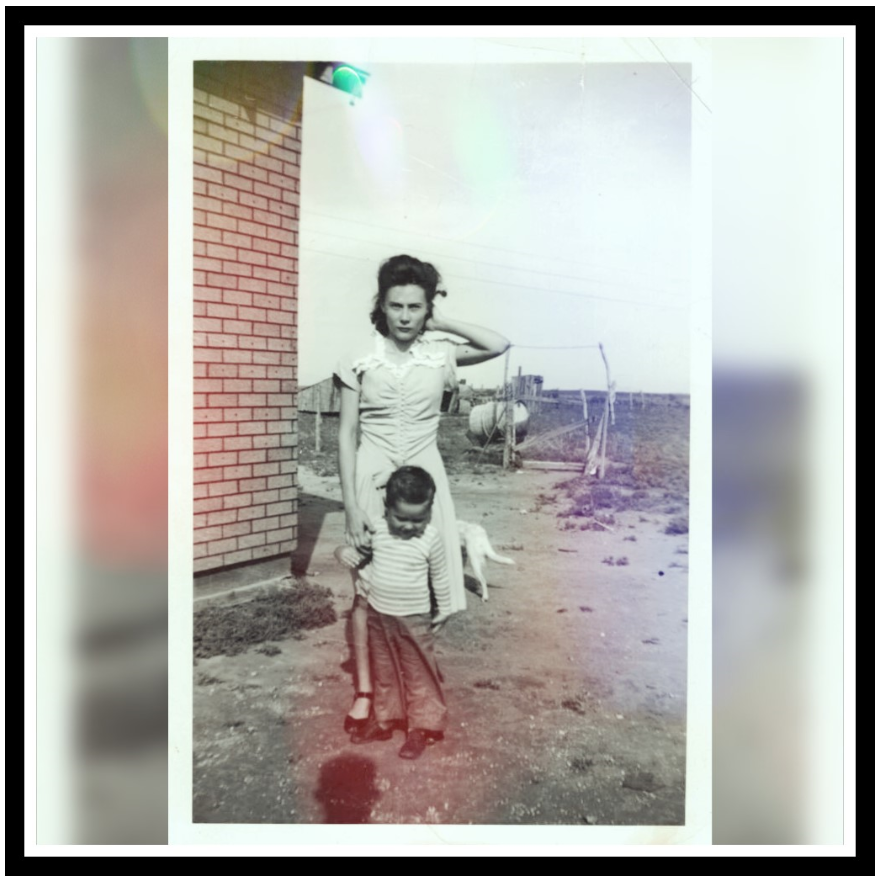
I don’t think it takes a scientific analysis or Gallup poll to figure out that those who face the most challenges tend to be the most at ease with themselves and the God they worship. My grandparents didn’t have time to contemplate their mental states on a regular basis. They were too busy scratching out a living on unforgiving soil, stitching up clothing well beyond its use-by date, laboring with hands cracked by years of exposure to sun and wind, doing without when crops failed, stealing pecans from the pack rats’ nests to sell to the grocer for thread.
When a bath takes more work to make happen than the pleasure being clean subsequently brings, tell me of your repugnance to the smell of those who adhere to the once-a-week bathing regimen. When the only light you can afford is the billowing, blackening heat of a kerosene lamp, you’ll understand the wisdom of a sun-up to sun-down mentality.
Living in a world where abundance is hard to come by makes you appreciate and recognize blessings. You’ll walk miles in bad weather to catch the matinee on Saturday. You’ll eat bar-b-que you didn’t have to make off of strips of brown, butcher paper as if you were dining in an elegant restaurant with linen tablecloths instead of the planked, rough boards where strangers sit elbow to elbow, dripping sweet, savory sauce from puffy lips.
God understands the importance of our weakness to make use of His strength. He offered abundance to His people as they wandered in the desert. For forty years, He gave them sufficient food for each day, food they did not have to labor for or worry about. In this abundance, His people forgot about Him over and over again. They worshiped false gods even though the proof of the One, True God descended upon them in harvest every morning. They married outside of their own faith despite His warnings to the contrary.
We read about the wanderings in the desert with a little contempt today, but are we any different? Even the poorest among us in this country have more than most of the rest of the world and instead of thanking God for our abundance, we shun His very existence. We let others mock His power and forgiveness. We put up with those who would silence us when we want to call out His name.
When I am weak, He is strong. When I am most aware of my human frailty, I am most likely to feel gratitude to a God that saves me from even greater evils than those I face. In weakness, I will understand the satisfaction of a life lived as testimony as opposed to a life lived for my pleasure, the difference between a broken road and a road that will break you.
I asked my grandmother once about the invention of such time-saving household tools as the vacuum cleaner. My textbook said women loved these things because it gave them more leisure time, after all.
Grandmother had lived in houses whose floors were hard-packed dirt. She had worn clothes made from flour sacking and been the cook and cleaner and clothes washer and butter churner and quilter and more in her childhood family of three brothers and her dad since her mother passed away when my grandma was a toddler. She had cooked over campfires and seined coal from the river, walked miles to the mill where gathered grain could be ground for flour and plucked chickens she had slaughtered for the evening supper table. She worked seven days a week from the time the sun rose to the time the sun set in a world where all the people around her were eking out the same kind of existence.
These were the greatest generation, those who fought for the freedoms of people a world away, sacrificing life, limb, and the little things at home to make sure the world was a safer place. People planted gardens, learned to like margarine, rationed everything, saved even the dirty grease from the stove to donate to the factories for the cause of making rubber. The Depression had taught them how to make an onion and some parsnips last to a week’s worth of suppers, inspired the pickled mesquite bark in their cupboards and the repurposing of everything so that years later, my grandfather saw nothing wrong with using the same pan for his famous popcorn as the family also utilized for upchucks.
So, did Grandma think the vacuum cleaner was a gift sent from God? Definitely not. This abundance just meant she had more work to do. Standards of cleanliness rose along with our ability to clean until she was left with even more work than she had experienced before.
God’s enough is defined by our weakness turned toward His strength, which manifests itself in our love for Him and His Word, and the resulting love we then have for ourselves and others. If I can concentrate on being thankful instead of on the electronics I have surrounding me or the pretty clothes or the nice car, perhaps I will finally find that core of strength that is woven in my DNA from those who lived when abundance was only found in weakness. I appreciate the lessons they taught me by merely surviving amidst untold hardship and tragedy. I appreciate even more that they survived in full knowing of the gratitude they owed the Divine for every victory He allowed them, even in the midst of sandstorms and rain, of brown, crispy harvests and loved ones laid much too soon into the hard, cold ground.
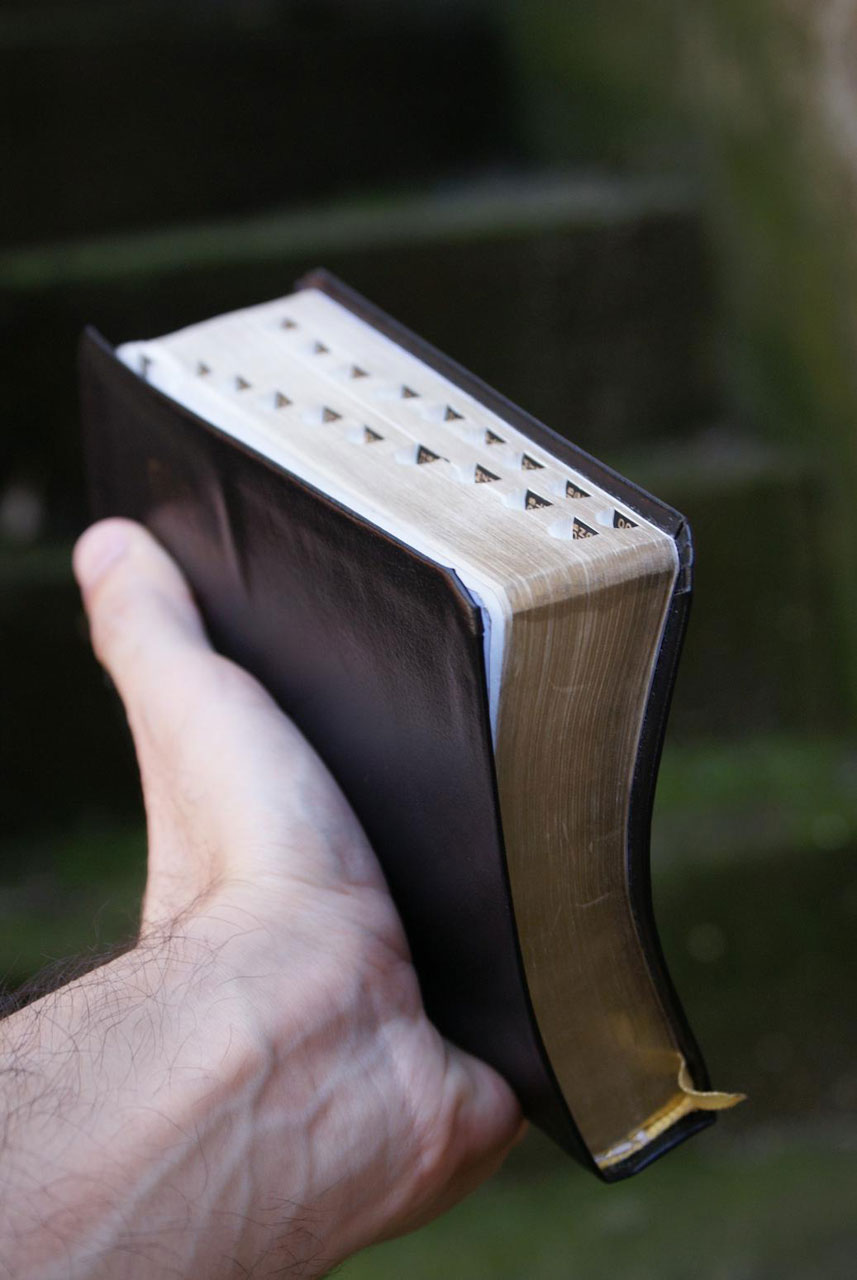
Despite a lifetime of hardship and loss, my grandmother never gave up on her belief in God. She treasured the large print Bible I gave her on her 90th birthday because it gave her the ability to read more of the Bible daily than her cataract-challenged eyes had otherwise afforded her.
The capacity to find God’s strength in our own weakness might be summed up in a photograph I found among my grandmother’s belongings, a color snapshot of a chihuahua, my grandmother’s long-time house dog long-since passed, sitting on a plaid blanket, with these words written on the back in a steady hand:
A small brown dog with big, beautiful eyes that wanders through the halls of my memory. Helen
If she, who had lost mother and husband and son and father and brothers, and yet never lost her faith in God, could find sweetness in the memory of loss, then what other proof of the value of accepting my weakness do I need?
I will try to recognize my abundance and its concurrent enemies of seeking happiness and fulfillment for what they are, which are obstacles to my ability to know and give the love God so freely offers to all who believe in Him, especially to those who allow Him to show His strength through the very weakness we usually fight to keep away. As I heard Rick Atchley preach just recently, we cannot ask God to make us stronger Christians and also ask Him to make everything all right. Only through the suffering that weakness brings can God truly do His work in us.
My grandparents’ generation proved the truth of this theology. More importantly, Christ sealed the truth of it when He willingly died in weakness on the Cross so that all humanity might be saved through faith by the love of the Almighty. That’s the strength I lean on. Won’t you join me?
In Christ,
Ramona
 goodchristianfiction